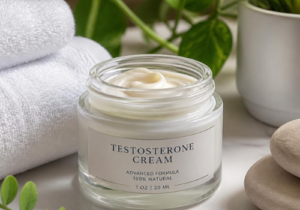
Testosterone cream saved my sex life [Crazy results in 30 days]

Why More Doctors Should Be Talking About Testosterone Cream for Perimenopause
If you are in your 40s and feel like a stranger in your own body, you are not alone. Low energy, brain fog, and a libido that seems to have packed its bags and left are common complaints during perimenopause, yet one treatment that could help is rarely brought up in the doctor's office: testosterone cream.
A Personal Story That Sounds Familiar
One woman's experience captures what so many people going through perimenopause feel but rarely say out loud. At 47 and deep in perimenopause, she described a rough year marked by draining fatigue, foggy thinking, and a complete loss of interest in sex. Even more frustrating, she said the physical sensation just was not there anymore. Opportunity and desire existed, but her body simply was not responding the way it used to.
She had already tried an FDA approved medication for low libido, but it made no noticeable difference. That led her to ask her doctor to check her testosterone levels, which turned out to be a surprising twist given her history with PCOS. Women with PCOS typically run high in androgens, so she assumed low testosterone could not possibly be her issue. The bloodwork said otherwise. Her free testosterone came back extremely low, and her total testosterone was low as well, even though her DHEA levels were normal.
On top of the fatigue and low libido, she noticed she was losing muscle mass despite consistent workouts. That combination of symptoms, low energy, brain fog, low libido, and muscle loss, is exactly the kind of pattern that testosterone cream is designed to address.
Starting Testosterone Cream: What Changed
After reviewing her labs and symptoms, she decided to add testosterone cream to her perimenopause routine, which already included progesterone for sleep, joint pain, and anxiety. This approach lines up with what the clinical evidence on testosterone therapy for women has found regarding its role in treating low desire and related symptoms. She started at a low dose of testosterone cream and gradually increased it as her body adjusted, eventually settling into a dose that worked well for her.
The results were significant. Within a relatively short time, she noticed real improvements from using testosterone cream:
- More consistent energy throughout the day, without needing an afternoon coffee boost
- Visible progress building muscle at the gym, with actual definition showing up
- A return of sexual desire and physical sensation that had gone numb
- An overall sense that her body and mind were working together again
Perhaps most striking was the change in her relationship. She described feeling present and interested again instead of simply wanting to go to bed, which had a real impact on her connection with her husband.
Is Testosterone Cream Right for You?
If you recognize yourself in this story, low energy, brain fog, and no interest in sex, it may be worth having a conversation with your doctor about testosterone cream. It is not a guaranteed fix for everyone, and it is not something to start without proper testing and guidance. Free and total testosterone levels should be checked first, since dosing and appropriateness depend heavily on where you are starting from.
The key is finding a provider who actually understands perimenopause and menopause hormone therapy. Not every doctor is trained in this area, and testosterone cream is still underprescribed even though it can meaningfully improve quality of life for the right candidate. A knowledgeable provider can help you weigh the benefits, monitor your levels over time, and make sure the treatment is both safe and effective for your body.
The Bigger Picture
Testosterone often gets left out of the hormone replacement conversation, which tends to focus on estrogen and progesterone. But for many women in perimenopause, testosterone cream addresses symptoms that other treatments simply do not touch, especially low libido, fatigue, and difficulty maintaining muscle mass.
If you are struggling with these symptoms, do not assume they are just something you have to live with. Bring up testosterone cream at your next appointment, ask about getting your levels tested, and seek out a provider who specializes in menopause care. You deserve a treatment plan that actually addresses what you are going through, and testosterone cream might be the missing piece.
Frequently Asked Questions
Testosterone cream can help address low energy, brain fog, low libido, and loss of muscle mass, symptoms that are common during perimenopause but often go untreated because testosterone is not routinely tested or discussed.
mattis, pulvinar dapibus leo.
The only way to know is through bloodwork. A doctor can check your free and total testosterone levels along with DHEA to see if you fall into a low range that could benefit from testosterone cream.
Testosterone cream can be safe and effective when prescribed and monitored by a provider experienced in menopause hormone therapy. Dosing should be individualized and levels should be rechecked periodically.
Some women notice changes in energy, mood, and libido within weeks of starting testosterone cream, while muscle building and other physical changes may take longer and often require consistent use alongside exercise.
Yes, though it may seem counterintuitive. PCOS is typically linked to high androgens, but during perimenopause testosterone levels can still drop significantly, so testing rather than assumptions should guide the decision to use testosterone cream.
Start by asking your primary care doctor or gynecologist about testing your testosterone levels. If they are not familiar with prescribing testosterone cream for perimenopause, ask for a referral to a provider who specializes in menopause care.

Written by
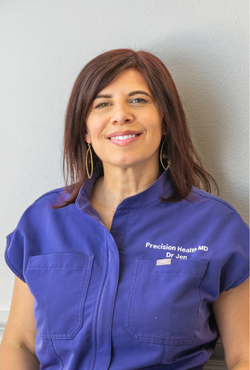
Dr. Jennifer Roelands, MD, FACOG
Jennifer Roelands, MD is double board certified in Obstetrics and Gynecology and in Integrative Medicine. She earned her medical degree at the University of California San Diego, completed her residency at Duke, and completed her integrative medicine fellowship at the Andrew Weil Center. She is the founder of Precision Health MD and the Midlife Upgrade Academy.
Her book, Pivot: Your Perimenopause Playbook, is available for pre-order on Amazon.
Learn more about the book and pre-order your copy:
Visit the Pivot Book Page
Medically reviewed by: Dr. Jennifer Roelands

Are You in Perimenopause?
Take my 90-second quiz✓
Built by a board-certified OB-GYN
New videos weekly