The 3 Hormones Every Woman Over 40 Should Test (Not Just Estrogen)

The 3 Hormones Every Woman Over 40 Should Have Checked
If you are over 40, feeling exhausted, gaining weight, struggling with sleep, or simply not feeling like yourself, you may have been told that your lab results are "normal." While that can be reassuring, it does not always explain why you still feel unwell. Many women assume estrogen is the only hormone that matters during perimenopause. The reality is that estrogen is only one piece of the puzzle. Because estrogen levels fluctuate dramatically throughout perimenopause, a single estrogen test often provides very little useful information. Instead, The 3 Hormones that deserve attention are your thyroid hormones, progesterone, and testosterone. Together, they provide a much clearer picture of what may be happening inside your body.
Why Estrogen Alone Is Not Enough
Estrogen levels can change significantly within the same week during perimenopause. This means one blood test may show a high level one day and a low level another day. Because of these natural fluctuations, focusing on estrogen alone may cause important hormonal changes to be overlooked. Looking at The 3 Hormones provides a broader understanding of symptoms that many women experience after 40.
Hormone 1: Your Thyroid
The thyroid is one of the most commonly missed contributors to midlife symptoms. Many healthcare providers only order a TSH test. While TSH is helpful, it does not always reveal the complete picture. Some women continue experiencing symptoms even when TSH falls within the normal reference range. A more complete thyroid evaluation includes:
- TSH
- Free T4
- Free T3
- Thyroid antibodies
These tests can help distinguish thyroid problems from symptoms often attributed to perimenopause. Common symptoms that overlap with both conditions include:
- Fatigue
- Weight gain
- Hair thinning
- Brain fog
- Feeling unusually cold
Because thyroid disorders are treatable, a complete thyroid panel is an important part of evaluating persistent symptoms.
Hormone 2: Progesterone
Progesterone is often the first hormone to decline during perimenopause, sometimes years before estrogen begins to decrease. Lower progesterone levels may contribute to symptoms such as:
- Anxiety
- Racing thoughts at night
- Poor sleep
- Shorter menstrual cycles
- Heavier or more frequent periods
One important consideration is that progesterone changes throughout the menstrual cycle. If you are still having periods, testing is ideally performed about one week after ovulation. The lab value is only one part of the evaluation. Your symptom pattern is equally important and should always be discussed with your healthcare provider.
Hormone 3: Testosterone
Many women are surprised to learn that they naturally produce testosterone. As women age, testosterone levels gradually decline. Lower levels may contribute to:
- Reduced sex drive
- Lower motivation
- Decreased energy
- Difficulty building or maintaining muscle
- Feeling unlike yourself
Testing testosterone involves more than measuring one number. A complete evaluation includes:
- Total testosterone
- Free testosterone
- SHBG (Sex Hormone Binding Globulin)
SHBG helps determine how much testosterone is actually available for your body to use. Without measuring SHBG, testosterone results may not tell the complete story.
The Bonus Marker Many Women Never Receive
While not technically one of The 3 Hormones, fasting insulin is an important metabolic marker that is frequently overlooked. As estrogen declines during midlife, insulin resistance becomes more common. This process can begin years before blood sugar levels become abnormal. Symptoms associated with insulin resistance may include:
- Increasing belly fat
- Afternoon energy crashes
- Difficulty losing weight
Along with fasting insulin, Hemoglobin A1c (HbA1c) helps evaluate long-term blood sugar control and provides additional information about metabolic health.
Ask for the Numbers, Not Just "Normal"
One of the biggest mistakes women make is accepting a simple statement that their results are "normal." Normal reference ranges are often broad and do not necessarily reflect what is optimal for an individual. When discussing results with your healthcare provider, ask for the actual laboratory values instead of only hearing whether they are considered normal. Having the numbers allows for a more informed conversation about your health.
Lab Tests to Discuss With Your Healthcare Provider
If you are experiencing symptoms after 40, you may want to ask whether these tests are appropriate for your situation.
Full Thyroid Panel
- TSH
- Free T4
- Free T3
- Thyroid antibodies
Progesterone
- Timed to the luteal phase if you are still cycling
Testosterone Panel
- Total testosterone
- Free testosterone
- SHBG
Bonus Metabolic Tests
- Fasting insulin
- Hemoglobin A1c (HbA1c)
Remember that laboratory results are only one piece of the puzzle. Your symptoms, medical history, and overall health remain essential parts of the evaluation.
The Bottom Line
When it comes to feeling your best after 40, it is not just about estrogen. The 3 Hormones that deserve attention are your thyroid hormones, progesterone, and testosterone. Together with fasting insulin and HbA1c, these tests may provide a more complete understanding of why you are experiencing fatigue, weight changes, sleep problems, or reduced energy. Most importantly, ask for your actual lab values rather than simply accepting that everything is normal. Your symptoms deserve a thoughtful evaluation, and the right tests can help guide the next conversation with your healthcare provider.
Disclaimer: This article is for educational purposes only and is not medical advice. Always discuss laboratory testing and treatment decisions with your own qualified healthcare professional.
Frequently Asked Questions
Why is estrogen alone not enough after age 40?
Estrogen levels fluctuate significantly during perimenopause, making a single blood test less useful. Looking at The 3 Hormones provides a more complete picture.
What thyroid tests should I ask about?
A complete thyroid panel includes TSH, Free T4, Free T3, and thyroid antibodies rather than relying on TSH alone.
When should progesterone be tested?
If you still have menstrual cycles, progesterone is ideally measured about one week after ovulation because levels change throughout the cycle.
Why should women have testosterone checked?
Women naturally produce testosterone, and declining levels may affect libido, energy, motivation, and muscle maintenance.
What is SHBG and why is it important?
SHBG, or Sex Hormone Binding Globulin, influences how much testosterone is available for your body to use, making it an important part of testosterone testing.
Why are fasting insulin and HbA1c included?
These tests can identify early metabolic changes and insulin resistance before standard blood glucose tests become abnormal.
Frequently Asked Questions
Estrogen levels fluctuate during perimenopause, so a single test may not provide the full picture. Other hormones may offer additional insight into your symptoms.
A complete thyroid evaluation may include TSH, Free T4, Free T3, and thyroid antibodies, depending on your symptoms and medical history.
If you're still having periods, progesterone is typically tested about one week after ovulation during the luteal phase.
Women naturally produce testosterone, and lower levels may contribute to reduced energy, libido, motivation, and muscle maintenance.
These tests help evaluate metabolic health and may identify early signs of insulin resistance or blood sugar changes.
Yes. Requesting your lab values not just whether they're "normal" can help you have a more informed discussion with your healthcare provider about your symptoms.

About the author
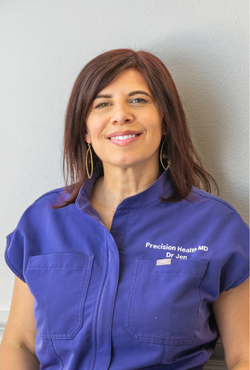
Jennifer Roelands, MD is double board certified in Obstetrics and Gynecology and in Integrative Medicine. She earned her medical degree at the University of California San Diego, completed her residency at Duke, and completed her integrative medicine fellowship at the Andrew Weil Center. She is the founder of Precision Health MD and the Midlife Upgrade Academy.
Her book, PIVOT: The Perimenopausal Woman’s Guide to the Decade That Decides How You Age, is available for pre-order at drjenniferroelands.com/PIVOTBOOK
This article is for educational purposes only and is not medical advice. Always speak with your own

Are You in Perimenopause?
Take my 90-second quiz✓
Built by a board-certified OB-GYN
New videos weekly