Perimenopause Anxiety: Why It Hits at 3AM and How to Stop It

Waking up at 3AM with a racing heart, a busy mind, and an overwhelming sense of worry can feel frightening. For many women, this experience becomes surprisingly common during perimenopause. The good news is that Perimenopause Anxiety is not simply "all in your head." There are real hormonal and physiological changes behind it. Understanding why Perimenopause Anxiety tends to strike in the middle of the night can help you take practical steps to calm your body and improve your sleep. Here is what is happening and what you can do about it.
Prefer to watch? Dr. Jen walks through this topic in the video below.
What Is Perimenopause Anxiety?
Perimenopause Anxiety refers to feelings of nervousness, worry, restlessness, or panic that develop during the years leading up to menopause. Even women who have never struggled with anxiety before may suddenly experience symptoms. Unlike everyday stress, this type of anxiety is often driven by hormonal fluctuations that affect the brain and nervous system. These changes can make you more sensitive to stress while reducing your body's natural ability to stay calm.
Why Perimenopause Anxiety Happens
One of the biggest hormonal changes during perimenopause is the decline in progesterone. This hormone does much more than regulate the menstrual cycle. Progesterone helps your body produce a calming compound that supports GABA, a neurotransmitter responsible for slowing down nervous system activity. Think of GABA as your brain's natural brake pedal. As progesterone levels begin to fall, your brain has less support for maintaining a relaxed state. At the same time, estrogen levels fluctuate significantly. Since estrogen influences serotonin and dopamine, these hormonal swings can directly affect mood, emotional stability, and anxiety levels. This combination creates the perfect environment for Perimenopause Anxiety to develop.
Why Does Perimenopause Anxiety Wake You at 3AM?
Many women notice that anxiety appears almost like clockwork during the early morning hours. There are several reasons why this happens.
Your Cortisol Levels Begin Rising
Cortisol is your body's primary stress hormone. During the night, cortisol reaches its lowest point and then gradually increases before morning to prepare you to wake up. Normally this rise happens smoothly. When progesterone levels are lower, there is less calming support for your nervous system. Even a normal increase in cortisol may feel overwhelming, leading to sudden awakenings with a racing heart and anxious thoughts.
Blood Sugar Can Drop Overnight
Low blood sugar is another common trigger. If your blood sugar falls while you sleep, your body releases cortisol and adrenaline to raise it again. These hormones are excellent at waking you up. Unfortunately, they can also make you feel panicked, shaky, or intensely anxious. For many women experiencing Perimenopause Anxiety, this blood sugar response becomes part of the nightly cycle.
Alcohol Can Make Things Worse
Many people believe a glass of wine helps them sleep better. While alcohol may help you fall asleep faster, it often disrupts sleep later in the night. As alcohol wears off, your body experiences a rebound effect that increases adrenaline and may contribute to lower blood sugar. The result is a greater chance of waking around 3AM feeling wide awake.
Night Sweats Trigger Anxiety
Hot flashes and night sweats are common during perimenopause. When they occur during sleep, they often activate your body's stress response. The surge of adrenaline that follows can feel almost identical to a panic attack. Many women mistake this physical response for emotional anxiety when it is actually a hormonal reaction.
Sleep Becomes Lighter
Lower progesterone also affects sleep quality. Instead of sleeping deeply through the night, many women experience lighter and more fragmented sleep. This makes it easier to wake up during normal hormonal shifts that would otherwise go unnoticed.
What to Do When Perimenopause Anxiety Wakes You Up
If you find yourself awake at 3AM, your first response matters.
Avoid Looking at Your Phone
Checking emails, social media, or the time tells your brain that it is time to become alert. Keeping screens off gives your nervous system a better chance to settle back down.
Slow Your Breathing
One of the fastest ways to calm your nervous system is to extend your exhale. Try this simple breathing pattern:
- Inhale for four seconds.
- Exhale for six or seven seconds.
- Repeat for several minutes.
Longer exhales activate your body's relaxation response and can reduce the intensity of Perimenopause Anxiety.
Keep Your Bedroom Cool
A cooler sleep environment may reduce night sweats and help your body relax. Comfortable room temperatures and breathable bedding can make a meaningful difference.
Remind Yourself That It Will Pass
Instead of trying to solve problems in the middle of the night, gently remind yourself: "This is a temporary hormonal response. I do not need to solve anything right now." This simple shift can stop anxious thoughts from escalating.
How to Prevent Perimenopause Anxiety Long Term
Reducing nighttime anxiety often requires addressing the underlying causes.
Support Healthy Blood Sugar
Avoid large amounts of sugar before bedtime. Many women also benefit from limiting alcohol in the evening. Some find that a small bedtime snack containing protein and healthy fats helps maintain stable blood sugar overnight.
Talk to Your Doctor About Hormone Therapy
Since progesterone often declines first during perimenopause, discussing treatment options with your healthcare provider may be worthwhile. For some women, nighttime progesterone therapy improves both sleep quality and Perimenopause Anxiety. Hormone therapy is not appropriate for everyone, so personalized medical advice is essential.
Reduce Daily Stress
Lifestyle habits can significantly affect anxiety levels. Helpful strategies include:
- Limiting afternoon caffeine
- Getting morning sunlight
- Exercising regularly
- Following a consistent sleep schedule
- Practicing relaxation techniques before bed
Small changes repeated consistently often produce noticeable improvements.
Consider Magnesium
Some women report better sleep and improved relaxation after adding magnesium in the evening. While research continues, magnesium may support healthy muscle relaxation and nervous system function for some individuals. Discuss supplements with your healthcare provider before starting them.
When Perimenopause Anxiety Needs Professional Help
Although hormonal changes commonly contribute to anxiety, they are not the only possible cause. Speak with a healthcare professional if you experience:
- Frequent panic attacks
- Anxiety throughout the entire day
- Depression or persistent sadness
- Feelings of hopelessness
- Anxiety that interferes with work or relationships
Treatment may include therapy, medication, hormone therapy, lifestyle changes, or a combination of approaches. Seeking help is an important step toward feeling better.
Key Takeaway
Perimenopause Anxiety is often the result of falling progesterone, fluctuating estrogen, rising overnight cortisol, and changing blood sugar levels working together. Understanding these hormonal changes allows you to respond with effective strategies instead of fear. By improving sleep habits, stabilizing blood sugar, reducing evening alcohol, practicing calming breathing techniques, and discussing hormone options with your healthcare provider, you can greatly reduce nighttime anxiety and reclaim restful sleep.
Frequently Asked Questions
Perimenopause Anxiety is anxiety that develops during the years leading up to menopause because of hormonal fluctuations. Falling progesterone and changing estrogen levels can affect brain chemicals that regulate mood, making feelings of worry, nervousness, and restlessness more common.
Many women experience Perimenopause Anxiety around 3AM because cortisol naturally begins to rise before morning while blood sugar may dip overnight. Lower progesterone reduces the body's natural calming effect, making these normal changes more likely to trigger anxiety and sudden awakenings.
Hormone therapy may help some women manage Perimenopause Anxiety, particularly if symptoms are linked to declining progesterone. Your healthcare provider can determine whether progesterone therapy or another form of hormone treatment is appropriate based on your medical history and symptoms.
If Perimenopause Anxiety wakes you up, avoid checking your phone or watching the clock. Practice slow breathing with a longer exhale than inhale, keep your bedroom cool, and remind yourself that the feeling is temporary. These steps can help calm your nervous system and make it easier to fall back asleep.
Yes. Healthy habits can make a significant difference. Limiting evening alcohol and caffeine, eating balanced meals to support stable blood sugar, exercising regularly, getting morning sunlight, and maintaining a consistent sleep schedule can all help reduce Perimenopause Anxiety over time.
You should talk to your healthcare provider if Perimenopause Anxiety becomes severe, lasts throughout the day, causes panic attacks, interferes with your daily life, or occurs alongside depression or persistent low mood. Early treatment can improve both your mental well-being and your overall quality of life.

Written by
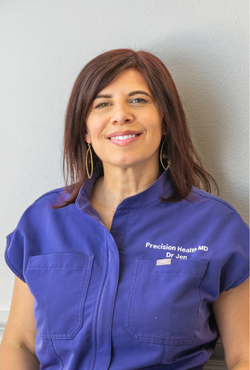
Dr. Jennifer Roelands, MD, FACOG
Jennifer Roelands, MD is double board certified in Obstetrics and Gynecology and in Integrative Medicine. She earned her medical degree at the University of California San Diego, completed her residency at Duke, and completed her integrative medicine fellowship at the Andrew Weil Center. She is the founder of Precision Health MD and the Midlife Upgrade Academy.
Her book, Pivot: Your Perimenopause Playbook, is available now on Amazon.
Learn more about the book and order your copy:
Visit the Pivot Book Page
Medically reviewed by: Dr. Jennifer Roelands

Are You in Perimenopause?
Take my 90-second quiz✓
Built by a board-certified OB-GYN
New videos weekly