
Testosterone for Women: Who Actually Needs It and Who Doesn’t
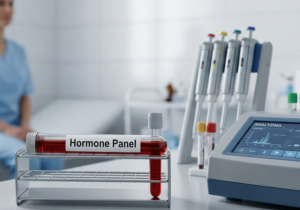
Testosterone for Women has become one of the most talked-about topics in hormone health. Many clinics promote it as a solution for everything from low energy to weight gain and aging. While Testosterone for Women can be life-changing for some, it is also one of the most misunderstood hormone therapies.
The truth is that Testosterone for Women has one well-supported medical use, while many of the other claims remain unproven. Understanding who may benefit, who probably will not, and how to use it safely can help you make informed decisions about your health.
Prefer to watch? Dr. Jen walks through this topic in the video below.
What Is Testosterone for Women?
Although testosterone is often thought of as a male hormone, women naturally produce testosterone too. Levels gradually decline with age, especially during and after menopause.
However, a lower testosterone level alone does not automatically mean you need treatment. When discussing Testosterone for Women, the most important question is whether your symptoms match the one condition that research consistently supports.
The One Proven Benefit of Testosterone for Women
Current medical evidence supports Testosterone for Women for one primary purpose: treating distressing low sexual desire after menopause.
If you have experienced a significant loss of libido that genuinely affects your quality of life, testosterone therapy may help. This is especially important because many women are told that low sexual desire is simply a normal part of aging, when it may actually be a treatable hormone issue.
While many people also use Testosterone for Women hoping to improve energy, mood, muscle mass, weight loss, memory, or slow aging, the current scientific evidence does not clearly support these benefits.
Some women report improvements in these areas, but research has not confirmed testosterone as an effective treatment for them.
Who May Benefit From Testosterone for Women?
The women most likely to benefit from Testosterone for Women are those who have distressing low libido after menopause, particularly after other possible causes have been evaluated.
Women who have experienced surgical menopause, meaning their ovaries were removed, may notice an even greater benefit. Because the ovaries produce testosterone, surgical menopause can cause testosterone levels to drop suddenly instead of gradually.
For these women, discussing Testosterone for Women with an experienced healthcare provider may be appropriate.
Who May Not Need Testosterone for Women?
Not everyone experiencing hormone-related symptoms is a good candidate for Testosterone for Women.
If sexual activity is painful because of vaginal dryness, local vaginal estrogen may be a more appropriate treatment than testosterone.
Other conditions that can reduce sexual desire include:
- Certain antidepressant medications
- Depression or low mood
- Poor sleep
- Chronic stress
- Thyroid disorders
- Relationship difficulties
In these situations, Testosterone for Women may not address the underlying problem. Identifying and treating the actual cause is often the most effective approach.
Women seeking Testosterone for Women solely for weight loss, increased energy, improved focus, or anti-aging should also understand that these uses have not been clearly supported by current evidence.
How to Use Testosterone for Women Safely
If you and your healthcare provider decide that Testosterone for Women is appropriate, proper dosing is essential.
The goal is to restore testosterone levels to the normal female range, not to reach male hormone levels.
Excessive testosterone can lead to unwanted side effects, including:
- Acne
- Oily skin
- Increased facial or body hair
- Thinning scalp hair
- Voice changes that may become permanent
These side effects usually occur because the dose is too high rather than because testosterone itself is unsafe.
Are Testosterone Pellets the Best Choice?
Many women are offered testosterone pellets because they are convenient.
However, Testosterone for Women delivered through pellets requires careful consideration. Pellets may release more testosterone than intended, pushing hormone levels above the normal female range.
Because pellets remain under the skin, they cannot simply be removed if side effects develop.
For this reason, many clinicians prefer creams or gels. These forms allow the dose to be adjusted more easily based on symptoms and laboratory testing.
How Testosterone for Women Is Usually Prescribed
Currently, there is no testosterone product specifically approved in the United States for women.
As a result, Testosterone for Women is commonly prescribed off-label using small doses of products originally designed for men or through compounded formulations.
If you are considering treatment, discuss the following with your healthcare provider:
- Transdermal cream or gel instead of oral therapy
- Baseline testosterone testing before treatment
- Follow-up blood tests to keep levels within the normal female range
- A treatment trial of approximately three months before evaluating results
Proper monitoring helps reduce the risk of side effects while determining whether treatment improves symptoms.
Key Takeaways About Testosterone for Women
The strongest evidence for Testosterone for Women supports treating distressing low sexual desire after menopause.
Evidence does not currently support using testosterone primarily for energy, weight loss, mood improvement, muscle building, or anti-aging.
Before starting treatment, other possible causes of symptoms should be evaluated, including painful intercourse, medications, sleep problems, stress, thyroid disease, and mood disorders.
When Testosterone for Women is prescribed, careful dosing, regular monitoring, and maintaining hormone levels within the normal female range are essential for safety.
Final Thoughts
Testosterone for Women can be an effective treatment when used for the right reason and under proper medical supervision. For women with distressing low libido after menopause, it may significantly improve quality of life.
At the same time, it is important to recognize that Testosterone for Women is not a proven solution for every symptom associated with aging. Working with a knowledgeable healthcare provider can help determine whether it is appropriate for your individual situation.
This information is intended for educational purposes and should not replace personalized medical advice.
Frequently Asked Questions
The primary evidence-supported use of Testosterone for Women is treating distressing low sexual desire after menopause.
Some women report feeling more energetic, but current research has not proven Testosterone for Women as an effective treatment for low energy.
Women with distressing low libido after natural or surgical menopause may benefit most from Testosterone for Women, especially after other causes have been ruled out.
Possible side effects include acne, oily skin, increased hair growth, thinning scalp hair, and voice changes if testosterone levels become too high.
Some clinicians use pellets, but creams and gels often allow better dose adjustments and easier monitoring for Testosterone for Women.
There is currently no FDA-approved testosterone product specifically for women in the United States. Treatment is generally prescribed off-label under medical supervision.

Written by
Dr. Jennifer Roelands, MD, FACOG
Jennifer Roelands, MD is double board certified in Obstetrics and Gynecology and in Integrative Medicine. She earned her medical degree at the University of California San Diego, completed her residency at Duke, and completed her integrative medicine fellowship at the Andrew Weil Center. She is the founder of Precision Health MD and the Midlife Upgrade Academy.
Her book, Pivot: Your Perimenopause Playbook, is available for pre-order on Amazon.
Learn more about the book and pre-order your copy:
Visit the Pivot Book Page
Medically reviewed by: Dr. Jennifer Roelands

Are You in Perimenopause?
Take my 90-second quiz✓
Built by a board-certified OB-GYN
New videos weekly
