Vaginal Dryness in Your 40s: 3 Treatments Doctors Rarely Mention

Vaginal Dryness in Your 40s: 3 Effective Treatments Most Doctors Rarely Mention
If you are in your 40s and struggling with vaginal dryness, discomfort, or painful sex, you may have been told to simply use a lubricant. While lubricants can help during intimacy, they do not address the underlying cause of the problem.
The good news is that vaginal dryness is treatable. There are several effective options that go beyond temporary relief, yet many women are never told about them. Understanding your choices can help improve your comfort, urinary health, and quality of life.
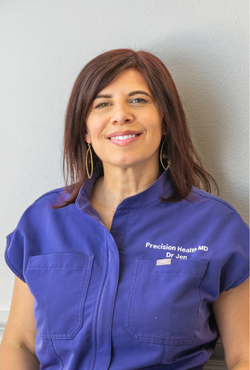
Prefer to watch? Dr. Jen walks through this topic in the video below.
Vaginal Dryness Is More Than an Intimacy Issue
Many women assume that vaginal dryness only becomes a concern after menopause. In reality, it often begins during perimenopause when estrogen levels start to fluctuate.
Early vaginal dryness may be part of genitourinary syndrome of menopause (GSM), a condition that affects the vaginal and urinary tissues as hormone levels decline.
Unlike hot flashes, which often improve over time, untreated vaginal dryness usually becomes more noticeable and can continue to worsen if left alone.
Common symptoms include:
- Vaginal dryness
- Burning or irritation
- Pain during sex
- Vaginal discomfort throughout the day
- Frequent urinary tract infections
- A constant urge to urinate
Fortunately, several treatments can improve symptoms and help restore healthy tissue.
Treatment 1: Use a Vaginal Moisturizer, Not Just a Lubricant
One of the biggest misconceptions about vaginal dryness is that lubricants and moisturizers are the same thing.
They are not.
A lubricant is designed to reduce friction during sexual activity. It provides temporary relief but does not improve the health of vaginal tissue.
A vaginal moisturizer works differently. It is used regularly, even if you are not sexually active, and helps hydrate the tissue over time.
Many experts recommend a hyaluronic acid vaginal moisturizer because hyaluronic acid attracts and holds moisture within the tissue. It is hormone free, available over the counter, and can significantly improve day to day comfort when used consistently.
If you have only been relying on lubricants, switching to a regular moisturizer may make a noticeable difference.
Treatment 2: Low Dose Vaginal Estrogen
For many women experiencing vaginal dryness, low dose vaginal estrogen is considered the gold standard treatment.
Unlike moisturizers, this treatment addresses the underlying hormone related changes in the tissue.
Low dose vaginal estrogen is available as:
- Vaginal cream
- Vaginal tablet
- Vaginal ring
Because it is applied directly where it is needed, it restores the vaginal tissue rather than simply masking symptoms.
Benefits may include:
- Reduced vaginal dryness
- Less pain during sex
- Improved vaginal comfort
- Fewer recurrent urinary tract infections
- Reduced urinary urgency
Since the medication acts locally and uses a very low dose, it is considered appropriate for the vast majority of women after discussing their medical history with a healthcare provider.
You do not have to wait until menopause to ask about this option if symptoms have already started.
Treatment 3: Vaginal DHEA (Prasterone)
Another treatment many women have never heard about is vaginal DHEA, also known as prasterone.
This prescription vaginal insert works differently than estrogen.
Once inserted, the vaginal tissue converts DHEA into both estrogen and testosterone locally, allowing the medication to work directly where it is needed.
Vaginal DHEA is FDA approved for painful intercourse related to menopause and may be an excellent option for women who prefer an alternative approach while still supporting healthy vaginal tissue.
Although it is not discussed as often as vaginal estrogen, it is another evidence based treatment worth asking your healthcare provider about.
A Bonus Option: Ospemifene
Some women prefer not to use any vaginal products.
In that situation, a prescription medication called ospemifene may be another option.
Ospemifene is an oral medication used to treat painful intercourse and vaginal dryness associated with menopause. It is not estrogen and offers an alternative for women looking for a pill instead of a vaginal treatment.
Your healthcare provider can help determine whether it is appropriate for your individual situation.
Be Careful With Heavily Advertised Vaginal Laser Treatments
You may have seen advertisements promoting vaginal laser or energy based treatments for vaginal dryness.
While these procedures are widely marketed, it is important to understand that current evidence remains mixed.
The FDA has also expressed concerns about some marketing claims made for these devices. In addition, these procedures are often expensive and are usually not covered by insurance.
Before considering laser treatments, it is reasonable to explore proven options that have stronger scientific support and are generally more affordable.
What to Ask Your Doctor
Many women are unsure how to start the conversation.
A simple way to begin is by saying:
"I am having vaginal dryness and discomfort, and I would like to discuss more than a lubricant. Can we talk about a regular vaginal moisturizer, low dose vaginal estrogen, or vaginal DHEA?"
That single question opens the door to discussing treatments that may significantly improve your symptoms.
Additional Tips for Managing Vaginal Dryness
Along with medical treatment, a few simple habits may help support vaginal health:
- Avoid scented soaps and irritating products around the vulva.
- Use gentle skin care products designed for sensitive tissue.
- Stay sexually active if comfortable, since blood flow supports healthy tissue.
- Ask about pelvic floor physical therapy if pain is a significant concern.
- Address symptoms early instead of waiting for them to become more severe.
The Bottom Line
Vaginal dryness is common during perimenopause and menopause, but it is not something you simply have to live with.
Lubricants may provide temporary relief, but they are only one piece of the solution. Regular vaginal moisturizers, low dose vaginal estrogen, vaginal DHEA, and oral medications such as ospemifene all offer treatment options that address symptoms in different ways.
The earlier vaginal dryness is treated, the easier it often is to restore comfort, improve intimacy, and support long term urinary health. If you are experiencing symptoms, talk with your healthcare provider about which treatment may be right for you.
Frequently Asked Questions
What causes vaginal dryness during perimenopause?
Vaginal dryness is most commonly caused by declining estrogen levels during perimenopause and menopause. Lower estrogen affects the thickness, elasticity, and natural moisture of vaginal tissue.
What is the difference between a lubricant and a vaginal moisturizer?
A lubricant provides temporary relief during sexual activity, while a vaginal moisturizer is used regularly to hydrate the tissue over time and improve everyday comfort.
Is low dose vaginal estrogen safe?
For the majority of women, low dose vaginal estrogen is considered safe because it acts primarily in the local tissue with minimal systemic absorption. Your healthcare provider can determine if it is appropriate based on your medical history.
What is vaginal DHEA?
Vaginal DHEA, also called prasterone, is a prescription vaginal insert that the body converts locally into estrogen and testosterone to improve vaginal tissue health and reduce painful intercourse.
Can vaginal dryness cause urinary symptoms?
Yes. Vaginal dryness can contribute to urinary urgency, frequent urinary tract infections, and discomfort because the same hormone sensitive tissue lines parts of the urinary tract.
Will vaginal dryness improve on its own?
In most cases, untreated vaginal dryness tends to worsen over time rather than improve. Early treatment can help restore healthy tissue and reduce discomfort before symptoms become more severe.


Written by
Dr. Jennifer Roelands, MD, FACOG
Jennifer Roelands, MD, is a board-certified OB-GYN specializing in perimenopause, hormone optimization, and healthy aging for women 35+. This article is for general education and is not a substitute for individualized medical advice. Talk with your own clinician about your symptoms and options.

Are You in Perimenopause?
Take my 90-second quiz✓
Built by a board-certified OB-GYN
New videos weekly